Dana Schmitt · 2 September 2026
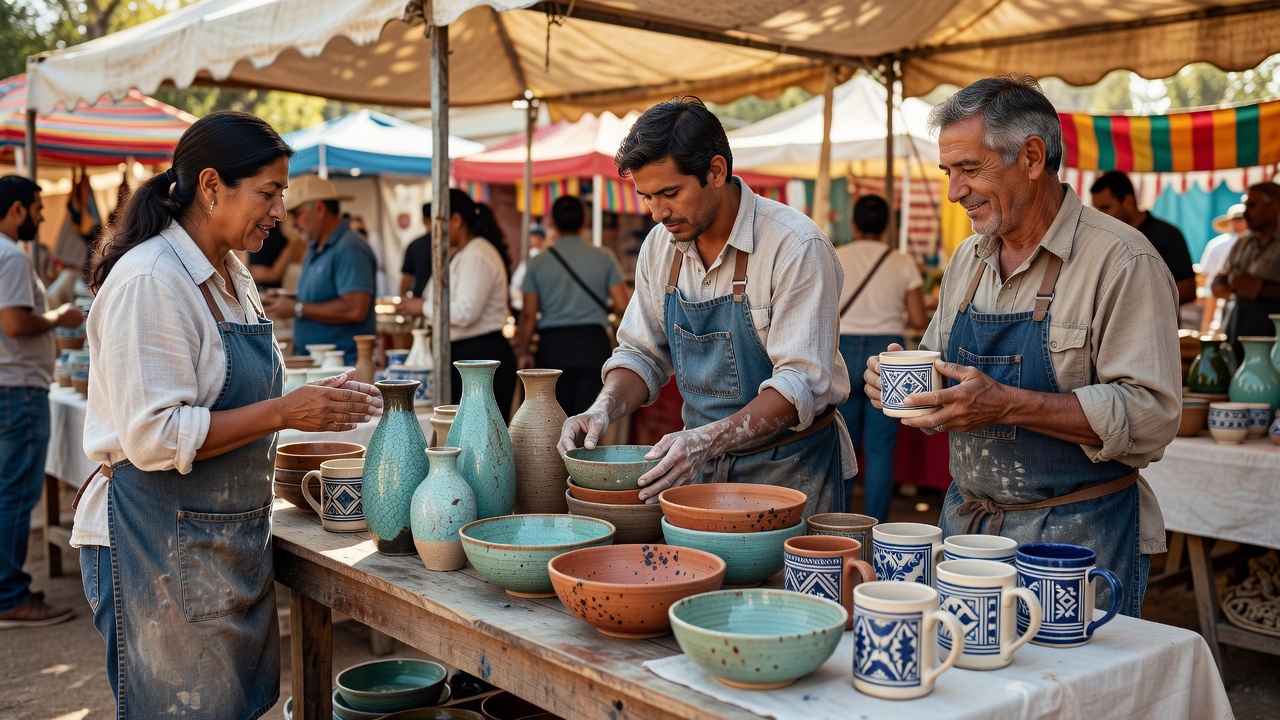
Talora artisans gathered at the annual Regional Heritage Fair to present their latest ceramic collections, drawing attention to traditional techniques blended with contemporary designs. The event, held in the central square of nearby Rivara, featured over twenty local makers displaying works inspired by Talora's historic motifs and natural landscapes.
Heritage Techniques in Modern Forms
Exhibits highlighted hand-thrown pottery using local clays fired in wood kilns, a method preserved across generations. Artisans demonstrated glazing processes that incorporate mineral pigments sourced from regional hillsides, resulting in earthy tones of ochre and slate. Visitors examined vases, plates, and sculptural pieces that reinterpret ancient Talora symbols while meeting current functional standards for home and table use. Several makers noted increased interest from international buyers seeking authentic, small-batch items that reflect cultural continuity.
Workshops ran throughout the day, allowing attendees to try basic wheel-throwing under guidance from experienced potters. Discussions focused on sustainable sourcing of materials and the challenges of maintaining quality amid rising demand. One collection incorporated subtle relief patterns drawn from Talora's medieval architecture, while another emphasized minimalist shapes suited to modern interiors. Fair organizers reported strong attendance, with sales exceeding expectations from previous years.
Community Impact and Future Outlook
Local officials praised the showcase for supporting Talora's economy and preserving craft knowledge. Partnerships with design schools were announced to train younger artisans, ensuring the continuation of specialized skills. The fair concluded with an auction of select pieces, proceeds directed toward community workshops and material research. Artisans expressed optimism about expanding their reach through online platforms while retaining the personal touch that defines Talora ceramics. Overall, the event reinforced the region's reputation for quality heritage design and positioned its makers for continued growth in both domestic and export markets.